
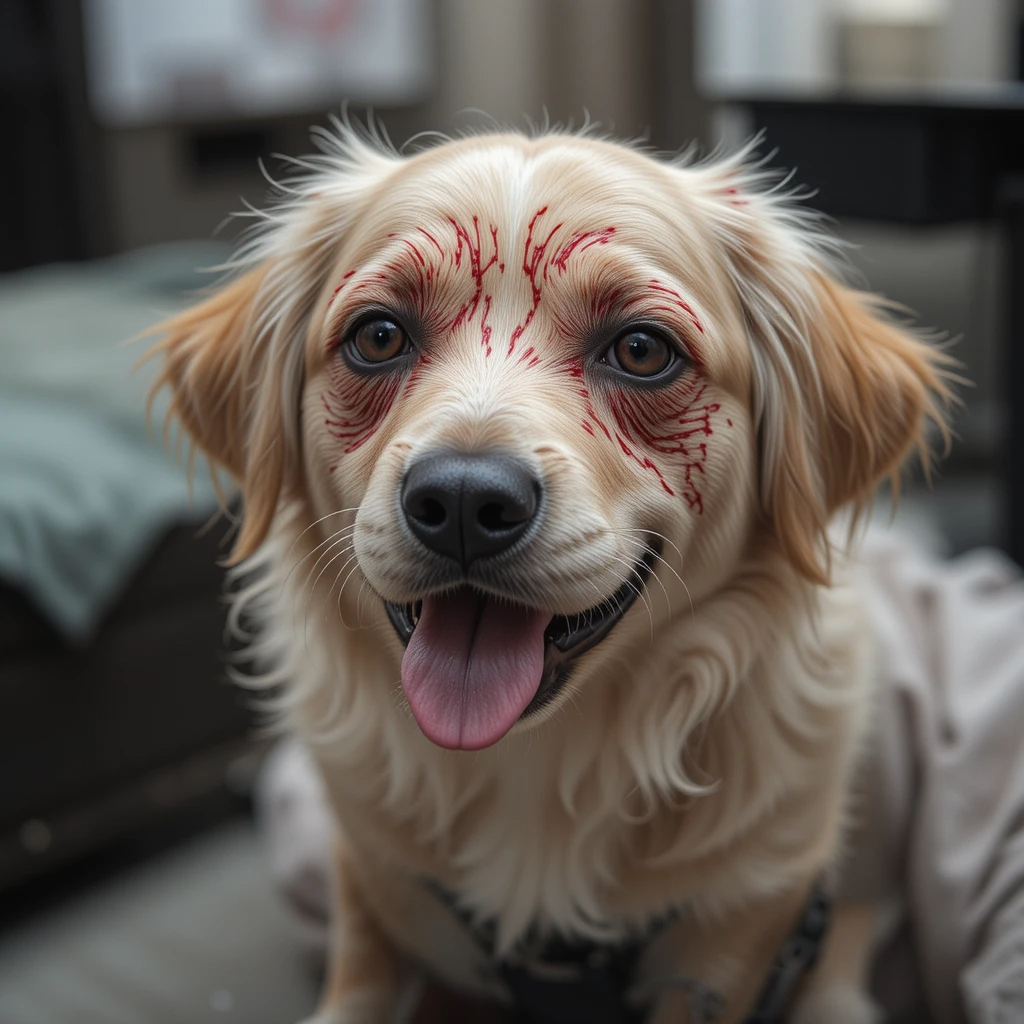
If you’ve ever had a moment where your dog suddenly started limping, whining, or acting like they were in pain, Fake Injuries only to see them running around joyfully moments later, you might have been left wondering: Why do dogs fake injuries? Is it attention-seeking? A way to manipulate their owners? Or is there something deeper at play? In this blog, we’ll explore the various reasons behind this behavior and what it reveals about your dog’s personality and emotional intelligence. We’ll also discuss how to respond appropriately to ensure your dog’s well-being.
Table of Contents
Dogs Are Highly Observant: Learning Through Experience
Dogs are incredibly smart and highly observant creatures. They learn from watching and experiencing what happens when they behave in certain ways. If, in the past, your dog noticed that you would rush to them when they limped or whined, offering extra attention, treats, or even a soothing cuddle, they may have learned that faking an injury gets them what they want.
This ability to connect behavior with consequence is a basic survival tactic, and dogs are no exception. They are incredibly quick to catch on to patterns. Over time, they may begin to exaggerate or even mimic the same behaviors, especially if they feel that you are distracted or not paying enough attention to them.
Example:
Your dog limps dramatically when you’re busy on a phone call, and you stop everything to check on them. They feel the love and concern, and they begin associating this limp with your immediate affection. The next time you’re preoccupied, they might “pretend” to limp again. It’s not about deception, but more about reinforcing a learned connection.

Attention-Seeking Behavior: Why Your Dog Wants Your Focus
Dogs are social animals by nature. They crave attention and love from their owners, and much like people, they want to feel important in your life. If your dog is feeling neglected—maybe you’ve been busy with work, family, or other activities—they may begin to fake an injury simply to regain your attention.
Dogs know that when they exhibit behaviors that mimic injury or distress, they are more likely to get you to focus on them. This kind of behavior can be amplified if you’ve inadvertently reinforced it in the past by immediately offering comfort when they’ve “acted” hurt. Dogs quickly connect their actions to results.
Example:
Let’s say your dog is usually left alone for several hours each day, but on the weekends, you have more free time. If they start limping or acting injured during your downtime, it’s likely because they’ve figured out that this will get you to pay attention to them. Your dog doesn’t necessarily feel physical pain but craves the emotional connection you provide when they “need” you.
A Learned Behavior: How Dogs Reinforce Attention-Seeking Tactics
It’s essential to understand that dogs don’t fake injuries out of malice or to trick you intentionally. Instead, they act based on reinforcement. If your dog’s behavior results in positive outcomes, they’ll repeat it. This is a fundamental concept in learning theory known as operant conditioning.
When your dog “pretends” to be hurt and receives attention, extra cuddles, or even treats as a result, they are being reinforced for that behavior. The next time they want something—whether it’s extra love, a break from training, or simply to be left alone—they might resort to faking an injury again because they have learned that it works.
Example:
If your dog has previously been given treats after acting like they were injured, they might repeat the same behavior when they want a snack or a moment of rest. Over time, this becomes a habitual response they rely on.

Dogs Are Empathetic: Mirroring the Behavior of Others
Another interesting aspect of dogs’ behavior is their incredible empathy. Dogs are highly attuned to the emotional states of their human family members as well as other pets. If your dog notices another animal or person limping, they might imitate this behavior as a way of mirroring what they’ve seen. This is particularly true if they see someone being comforted after an injury.
Dogs may also copy the actions of a fellow pet if they’re observing them. It’s not necessarily about faking an injury but simply mimicking what they’ve witnessed in the environment. This behavior is part of how dogs emotionally connect with those around them. It’s their way of showing empathy and solidarity, but it can look like they are pretending to be hurt.
Example:
If your dog has been watching a sibling dog recover from an injury or sees you favoring a leg because of an accident, they might begin limping too. It’s less about deception and more about the dog mirroring the behavior as part of their empathetic response.
Recognizing the Difference: Is Your Dog Really Hurt?
While many instances of limping or acting injured are behavioral rather than physical, not every injury is fake. Dogs are masters at hiding pain, which is why it’s essential for owners to differentiate between real injuries and exaggerated behavior. A dog that’s genuinely hurt will often show other signs of discomfort, such as reluctance to move, excessive licking of the affected area, or unusual changes in their eating and drinking habits.
If your dog’s limp or distress seems sudden, intense, or persists over time, it’s essential to investigate further. Always remember that your dog might be trying to protect you from worrying by hiding how much pain they’re in, so don’t rule out a real injury if the symptoms seem severe.
Example:
A dog with a real injury will not only limp but may also avoid walking altogether or show signs of pain when touched. In contrast, a dog pretending to be injured will usually act fine once they think they’ve gotten the attention they desire.
How to Handle a Dog Who Fakes Injuries
So, what should you do when your dog exhibits attention-seeking behavior by pretending to be hurt? Here are some practical strategies to manage it:
1. Stay Calm and Avoid Overreacting
If your dog pretends to be hurt, it’s essential not to panic or overreact. Dogs are highly sensitive to your emotions, and showing worry or concern may reinforce the behavior. Instead, take a moment to assess the situation calmly.
2. Carefully Inspect Your Dog
Before jumping to conclusions, check your dog for any visible signs of injury. Gently touch their legs, paws, and joints to ensure there are no hidden injuries. Look for swelling, redness, or signs of discomfort that might indicate a real injury.
3. Avoid Reinforcing the Behavior
If you believe your dog is faking an injury, try not to give them extra treats, attention, or rewards. Instead, calmly ignore the behavior. If your dog is simply seeking attention, they will likely stop when they realize it’s not working.
4. Provide Consistent Attention
Dogs thrive on attention, especially from their owners. If your dog is faking injuries due to a lack of engagement, make sure to spend quality time with them every day. Whether it’s playtime, walks, or training, consistency is key to making your dog feel secure and loved without resorting to tricks.
5. Consult Your Veterinarian
If the behavior continues, or you have any concerns that your dog might be hiding an injury, it’s best to consult your veterinarian. A professional will be able to assess your dog’s condition thoroughly and rule out any underlying medical issues.
Final Thoughts: The Emotional Intelligence of Dogs
Dogs are remarkable animals, capable of learning from their environment, mimicking behaviors, and understanding complex social cues. Faking an injury is not a sign of deceit but a manifestation of their intelligence, emotional needs, and social connection with their owners. By responding calmly and appropriately, you can help your dog feel secure and loved without them feeling the need to resort to exaggerating their injuries.
Understanding your dog’s emotional intelligence and needs is a crucial part of being a responsible pet owner. When you create an environment filled with love, care, and attention, your dog will feel safe and content—without needing to fake an injury for attention.