
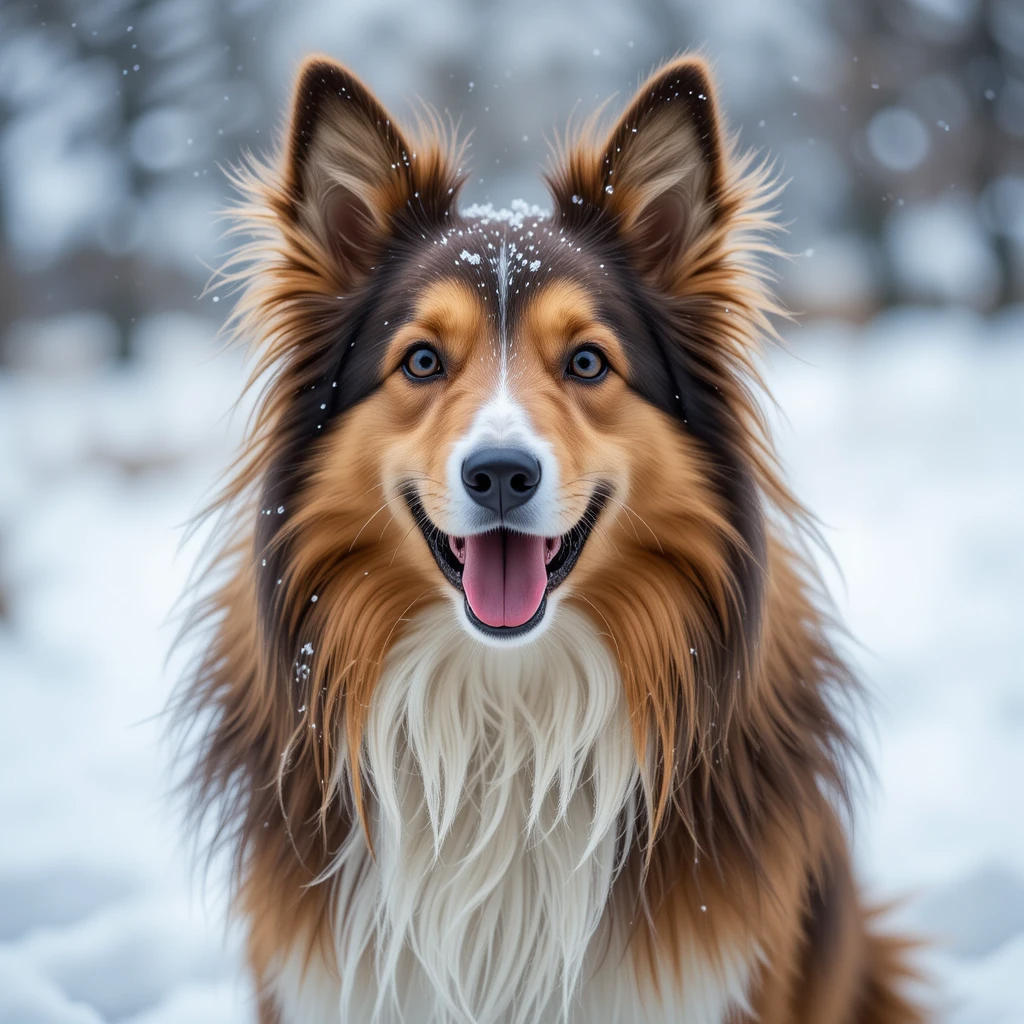
As winter approaches, it’s time to think about how to care for your Preparing Your Sheltie for Winter Sheltie during the colder months. Shetland Sheepdogs (Shelties) are naturally equipped with a double coat that helps protect them from the cold, but just like us, they need extra care and attention to stay comfortable and safe in winter. While their fur may be thick and insulating, it’s important to prepare your Sheltie for the winter months ahead to ensure their health, comfort, and safety. In this guide, we’ll cover everything you need to know—from grooming to winter gear to activity levels—so your Sheltie can enjoy the winter season just as much as you do.
Table of Contents
1. Grooming Your Sheltie for Winter Protection
The Sheltie’s thick double coat serves as both an insulating layer against the cold and a barrier against the elements, but it needs proper maintenance to function effectively during winter. Their coat is designed to keep them warm, but when grooming, you want to make sure you’re not removing too much of this protective barrier.
- Brushing for Heat Retention: While winter is not the time to excessively brush your Sheltie, regular grooming is essential to prevent matting and tangles, which can interfere with their coat’s ability to trap warmth. Aim to brush their coat at least two to three times a week. Focus on brushing the topcoat and gently detangling the undercoat, as the undercoat plays a vital role in keeping warmth close to their body.
- Trim the Fur Around Their Paws: The fur on a Sheltie’s paws can trap snow, ice, and debris, making walks uncomfortable or even painful. Trim the hair between their pads to reduce the risk of ice balls and to protect their paws from rough winter conditions. Consider using a paw balm to protect their paws from cracking or irritation caused by salt, ice, and snow.
- Bathing with Caution: During winter, it’s best to avoid frequent baths, as water can strip the natural oils from your Sheltie’s coat that help insulate them from the cold. When you do bathe them, make sure they are completely dry before allowing them back outside. You can use a blow dryer on a low, warm setting to help speed up the drying process, especially if your Sheltie’s coat is particularly thick.

2. Winter Gear: Extra Protection Against the Cold
While Shelties are generally well-equipped for the winter with their double coat, sometimes they need a little extra protection, especially during extreme weather. Investing in a few essential winter gear items will help keep your Sheltie warm and safe.
- Winter Coats and Sweaters: Although your Sheltie’s natural coat is designed to keep them warm, a well-fitted winter coat can provide additional insulation. A water-resistant, insulated coat can help keep them dry and warm during rainy, snowy, or windy days. Choose a coat that fits snugly but doesn’t restrict their movement, and one that covers the chest and belly for maximum protection.
- Booties for Paws: Salt and de-icing chemicals used on the roads can be harmful to your dog’s paws and can also cause discomfort. Dog booties are a great option for protecting their paws from icy sidewalks, salt, and rough terrain. While booties can take a bit of time for your Sheltie to get used to, they can be a lifesaver when the weather is harsh. Start by introducing them indoors with short wear sessions before venturing outside.
- Insulated and Heated Beds: When temperatures drop, ensure your Sheltie has a warm, comfortable place to rest. Consider using a heated bed or adding extra blankets to their sleeping area. This is particularly important if your home tends to get drafty. A warm and cozy space will help them relax and recover after a day of outdoor activities.
3. Keeping Active in the Cold: Balancing Exercise and Comfort
Shelties are highly energetic dogs that need plenty of physical and mental stimulation. While winter can sometimes hinder outdoor activities, it’s still essential to maintain your dog’s activity levels. Cold weather may mean adjusting how you walk your dog, but with a little planning, your Sheltie can remain active and healthy.
- Shorter, More Frequent Walks: In the winter, it’s better to opt for several shorter walks throughout the day rather than one long walk. This helps prevent overexposure to the cold while still giving your Sheltie the exercise they need. Be mindful of the temperature—if it’s too cold or windy, limit walks to 10-15 minutes and allow for breaks to warm up indoors.
- Playtime Indoors: If it’s too chilly or snowy outside, get creative with indoor activities to keep your Sheltie active. Use interactive toys or puzzle feeders that challenge their mind and provide mental stimulation. A game of fetch in the hallway, hide-and-seek with treats, or even tug-of-war can help burn off excess energy indoors.
- Consider Winter Sports: If your Sheltie enjoys the snow and the outdoors, consider introducing them to winter sports such as sledding or even snowshoeing. Shelties are agile and enjoy running, so winter activities can be a fun way for them to stay active. Just be sure to monitor their body temperature, as exercise in extreme cold can lead to overexertion.
4. Proper Nutrition and Hydration in Winter
Winter is an active time for Shelties as they use more energy to stay warm. Proper nutrition and hydration become even more critical as they burn calories to maintain body heat.
- Increase Caloric Intake: During colder months, your Sheltie might require more calories, especially if they’re very active or spend a lot of time outdoors. Talk to your veterinarian about adjusting their diet to include higher-calorie meals that will provide them with the energy they need to stay warm and active. Be sure to continue feeding them high-quality dog food rich in protein, fat, and essential vitamins to support their overall health.
- Keep Hydrated: Cold weather can often make dogs less thirsty, but it’s crucial to ensure your Sheltie drinks plenty of water. In freezing temperatures, water bowls can freeze quickly, so consider investing in a heated water bowl to keep their water from freezing outdoors. Inside, make sure they always have access to fresh water, especially after outdoor play or exercise.

5. Creating a Cozy Resting Place
After a long walk or a fun day in the snow, your Sheltie will need a cozy spot to rest. Ensuring they have a warm, comfortable resting place is essential for their well-being during the colder months.
- Choose a Quiet, Draft-Free Area: Place your Sheltie’s bed or blanket in a quiet, warm area of the house. Avoid placing their bed near drafty windows, doors, or vents where cold air can circulate. A space near a heater or a sunny spot by the window can provide additional warmth.
- Use Extra Bedding: Add extra blankets or cushions to your dog’s bed for additional warmth. This is especially important if you live in a home that can get quite cold during the winter months. Thick, soft bedding will provide comfort and help them sleep soundly through the night.
6. Watch for Signs of Cold Stress or Frostbite
Although Shelties are equipped with a thick coat, they are still vulnerable to the effects of extreme cold, and frostbite or hypothermia can occur if they’re exposed to freezing conditions for too long.
- Shivering and Lethargy: If your Sheltie begins to shiver or seems unusually sluggish, it’s a sign that they may be too cold. Take them inside immediately to warm up. Prolonged exposure to the cold can lead to hypothermia, so always be aware of how your dog is reacting to the temperature.
- Frostbite: The tips of your Sheltie’s ears, tail, and paws are particularly susceptible to frostbite in extreme cold. If you notice any pale or blue skin on these areas, take them to a warm area right away and seek veterinary assistance if necessary.
7. Routine Vet Checkups for Winter Health
Before winter sets in, schedule a checkup with your veterinarian to ensure your Sheltie is in optimal health for the cold months ahead. It’s important to catch any potential issues early and to discuss any winter-specific health needs.
- Joint Care: Cold weather can exacerbate joint problems, especially in older Shelties or those with pre-existing conditions like arthritis. Ask your vet about joint supplements or other ways to keep your dog’s joints healthy during winter. Keeping them active but not overexerted can help maintain their flexibility and reduce stiffness.
- Check for Dry Skin: Cold, dry air can lead to dry skin, which is uncomfortable for your Sheltie. If they seem to be scratching more than usual or licking their paws excessively, it could be a sign of dryness. Consult your vet for advice on moisturizing shampoos or oils that can help prevent dry, flaky skin.
Final Thoughts: A Cozy, Healthy Winter for Your Sheltie
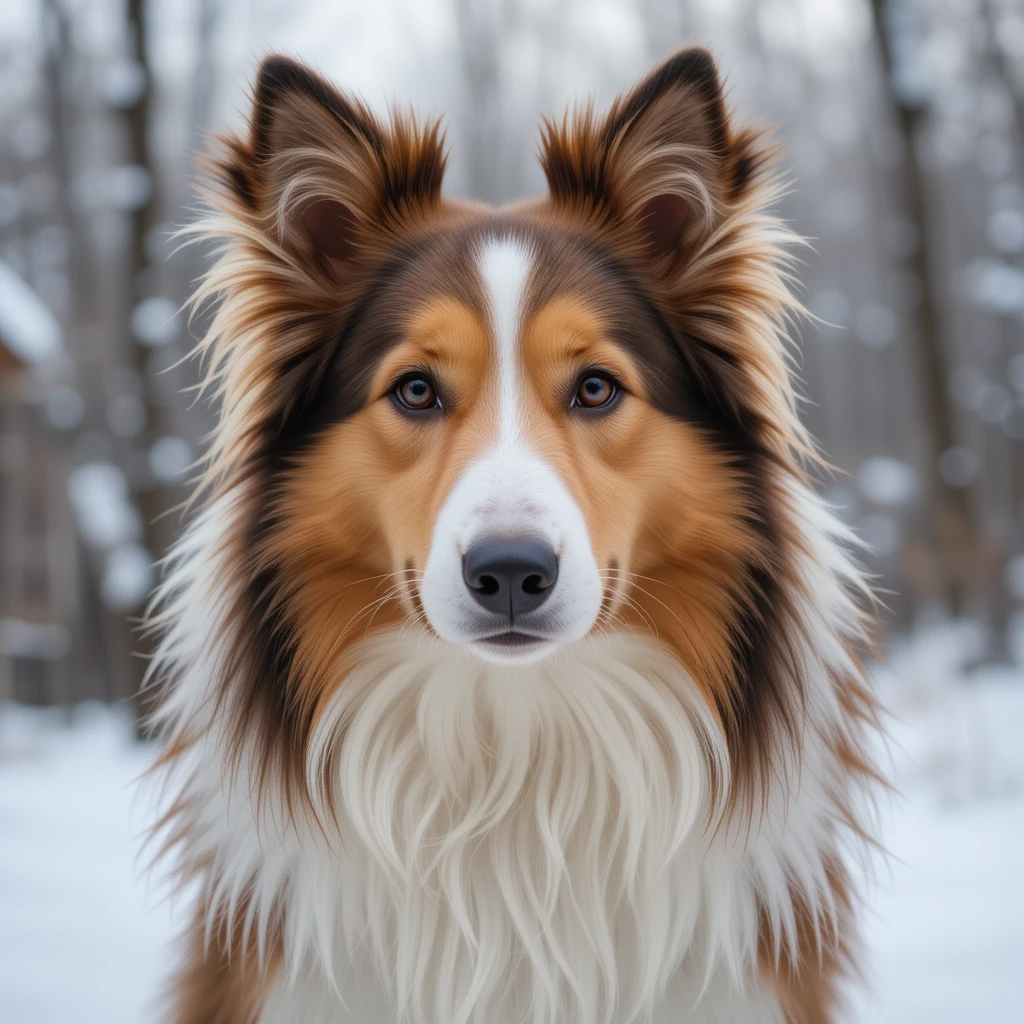
Winter doesn’t have to be a time of discomfort for your Sheltie. With a little preparation and care, your dog can enjoy the cold months just as much as you do. Regular grooming, proper winter gear, increased nutrition, and maintaining an active lifestyle are key to keeping your Sheltie happy and healthy during the winter season. So, whether you’re out in the snow or cozying up by the fire, make sure to keep your Sheltie safe, warm, and comfortable. After all, a well-prepared Sheltie will help make the winter season a lot more enjoyable for both of you!