
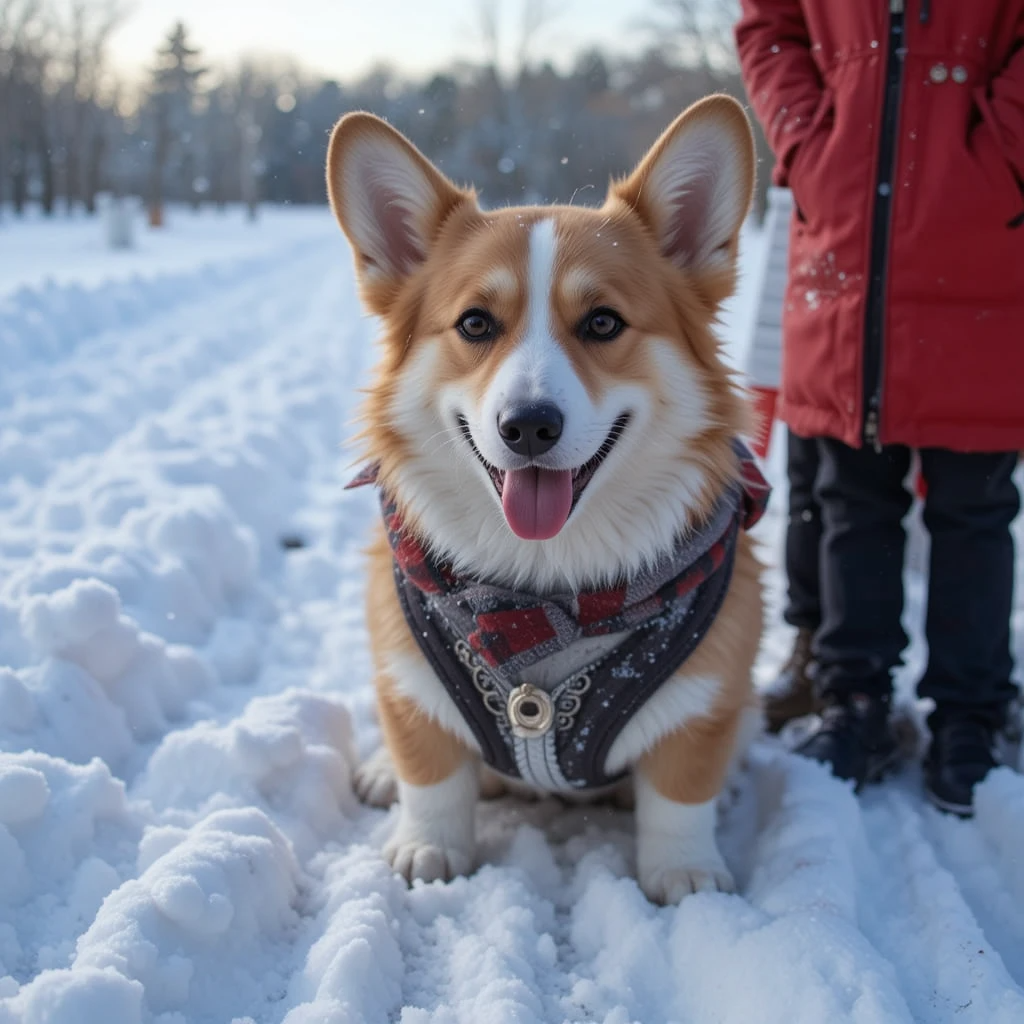
As the days grow shorter and the temperatures start to drop, the cozy comforts of winter are all around Preparing Your Corgi for Winter us. But for our four-legged companions, the cold weather brings some unique challenges. While corgis are undoubtedly charming with their short legs and fluffy coats, they’re not immune to the dangers that winter can bring. Luckily, with a little preparation and extra care, you can ensure your corgi stays healthy, safe, and cozy throughout the cold season.
Table of Contents
1. Keep Your Corgi Warm During Outdoor Adventures
Corgis, known for their boundless energy, love nothing more than running and playing outside. However, as much as they enjoy winter activities, the colder months can pose a challenge for their little bodies. While their double-layer coat provides some insulation, it’s not enough to keep them warm in extreme cold, especially when there’s snow or wind involved. Here’s how you can help them brave the chill:
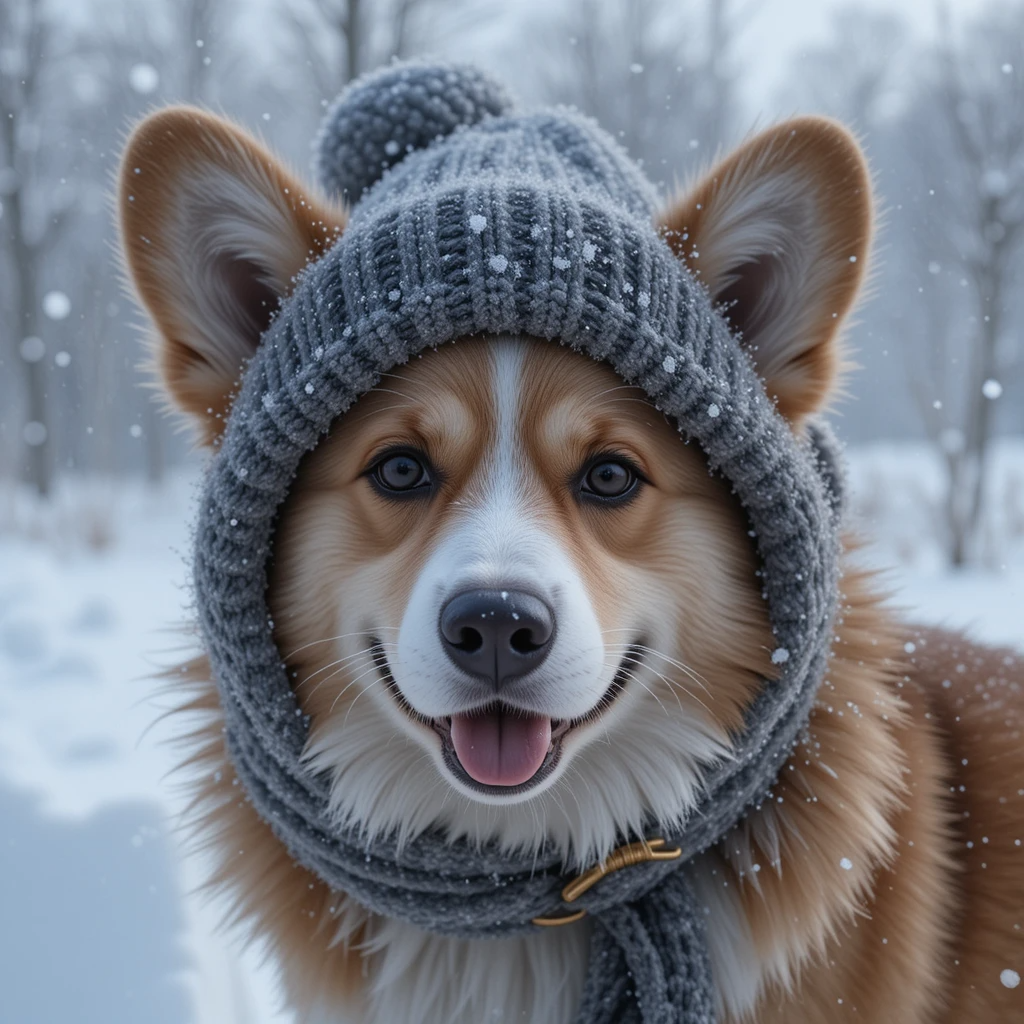
How to Keep Your Corgi Cozy Outside:
- Dog coats and sweaters: While corgis are naturally equipped with some insulation, adding a coat or sweater to their wardrobe is an excellent way to provide them with additional warmth. Opt for a coat with a soft lining, and make sure it’s water-resistant for wet conditions. A well-fitted coat ensures your dog doesn’t feel restricted, allowing them to move freely.
- Limit outdoor playtime: While your corgi may love to chase snowflakes, try to keep outdoor playtime brief on the coldest days. Too much exposure to freezing temperatures can lead to discomfort, frostbite, or even hypothermia, especially in smaller breeds like corgis.
- Monitor their behavior: If you notice your corgi shivering, lifting its paws off the ground, or becoming unusually lethargic, it’s time to head inside. These are clear signs they’re feeling too cold and need to warm up.
2. Protect Your Corgi’s Paws from Snow, Ice, and Salt
The paw pads of a corgi are surprisingly sensitive, and when the snow starts to fall, so do the risks. Snow, ice, and the chemicals used to melt ice (like road salt) can cause irritation, burns, and even infection. Since your corgi’s paws are in direct contact with the cold ground, it’s important to provide them with protection to keep them comfortable:
Paw Protection Tips:
- Booties are a game-changer: Dog boots are often the best way to prevent cold, salt, and ice from harming your dog’s paws. It might take a little patience to get your corgi used to wearing them, but once they do, their paws will stay warm and protected.
- Paw balms and waxes: Applying a natural paw balm or wax before heading out can create a protective barrier. This is a great option for those who don’t want to struggle with dog boots but still want to protect their corgi’s paws.
- Rinse paws after every walk: After coming in from the cold, always rinse off your corgi’s paws to remove any snow, salt, or chemicals they might have picked up. Dry their paws thoroughly to avoid any frostbite or irritation.
3. Make Indoor Life Comfortable
When the weather is too harsh for outdoor play, it’s essential to make your corgi’s indoor space a warm and inviting haven. With the right setup, they’ll feel cozy and safe, whether they’re taking a nap or playing with a new toy.
How to Create a Cozy Indoor Environment:
- Maintain their coat: You might be tempted to trim your corgi’s thick double coat, but that could leave them vulnerable to the cold. Instead, keep them well-brushed to prevent mats and tangles, which can trap moisture and reduce the insulating effect of their coat. Regular brushing also helps manage shedding, which can be more prevalent in winter.
- Comfortable bedding: Ensure your corgi has a warm, comfy spot to rest. A thick dog bed, preferably with raised edges, can help them stay warm. For an added touch, use a blanket or place a heated dog bed in their favorite resting spot. This gives them a retreat from the cold floor, which can absorb body heat.
- Avoid drafts: Keep your corgi away from windows or doors where drafts may come through. Close curtains during the night to retain warmth, and consider putting a rug over cold floors to create a more comfortable space for them.
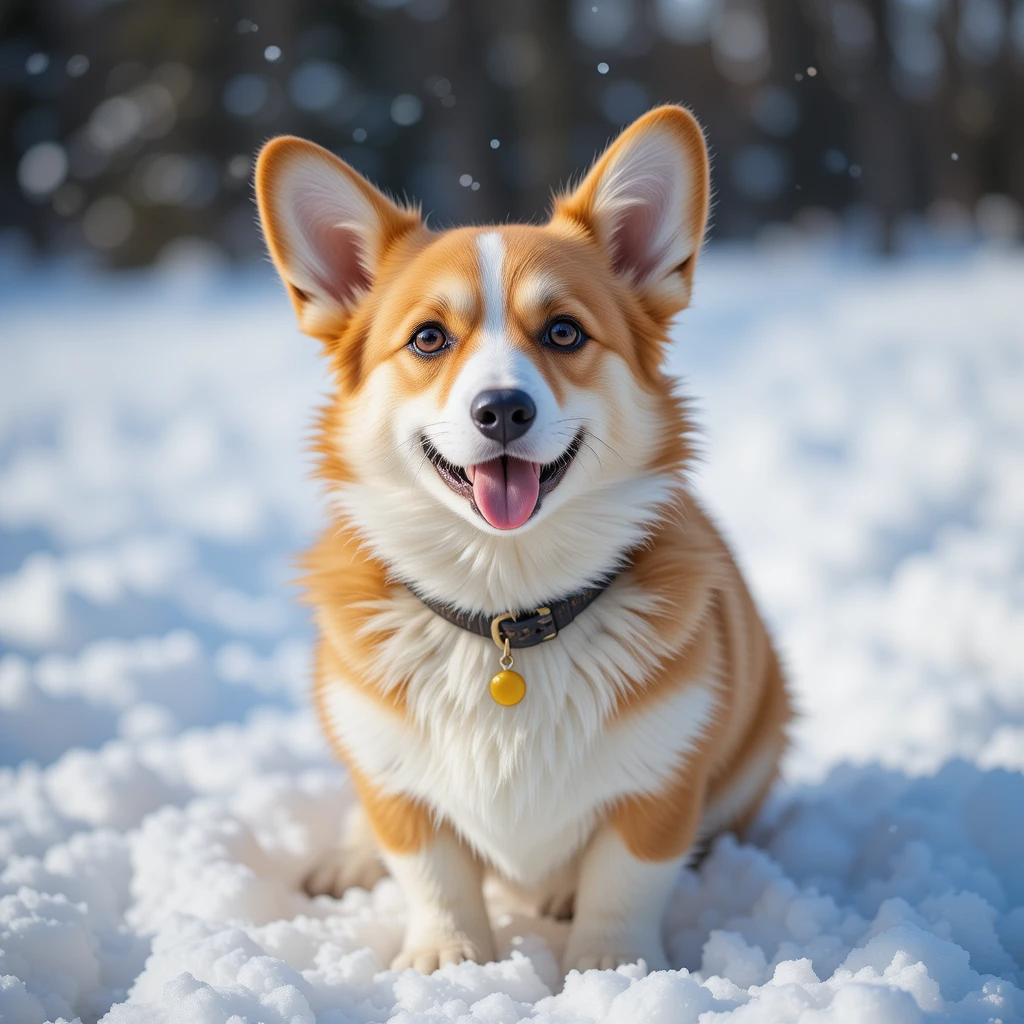
4. Adjust Their Diet and Exercise for Winter
The colder months can change your corgi’s activity level, and it’s important to adjust their diet and exercise routine accordingly. They may need more energy if they’re outside more often, or you may need to scale back if the weather keeps them indoors more frequently.
How to Maintain a Healthy Winter Routine:
- Calories matter: Corgis are prone to obesity, so make sure to balance their food intake based on activity. If your corgi is outside playing in the snow often, they may need a little more food to fuel their increased activity. But if they’re not as active due to the cold, keep portions in check to avoid unwanted weight gain.
- Keep them moving indoors: If outdoor playtime is limited, find ways to keep your corgi engaged indoors. You can play fetch in the hallway, hide their favorite treats for them to find, or try a new puzzle toy to keep them mentally stimulated.
- Walks are still important: Despite the cold, corgis still need exercise. Just adjust the timing or duration based on the weather. Try taking shorter, more frequent walks or alternate between outdoor and indoor play to ensure your corgi stays active during the winter months.
5. Keep Their Health in Check During Winter
The cold months come with specific health risks that require extra attention. From joint problems to respiratory issues, here are the key health aspects to monitor:
Health Tips for Winter:
- Hydration is key: Dehydration can occur year-round, even in winter. Dry indoor heating can lead to moisture loss, so ensure your corgi has access to fresh water at all times. If you’re using heated dog beds or blankets, keep an eye on water intake as it can affect their hydration.
- Protect their joints: Corgis are prone to joint problems like hip dysplasia and arthritis, which can worsen during the cold. Consider joint supplements or anti-inflammatory treats to help support their mobility. Additionally, avoid forcing them to jump or overexert themselves during winter activities.
- Watch for seasonal illnesses: Cold weather can make dogs more susceptible to respiratory infections. Keep your corgi’s vaccinations up to date and watch for signs of illness, such as coughing, nasal discharge, or changes in behavior. If they show any of these signs, a visit to the vet is a good idea.
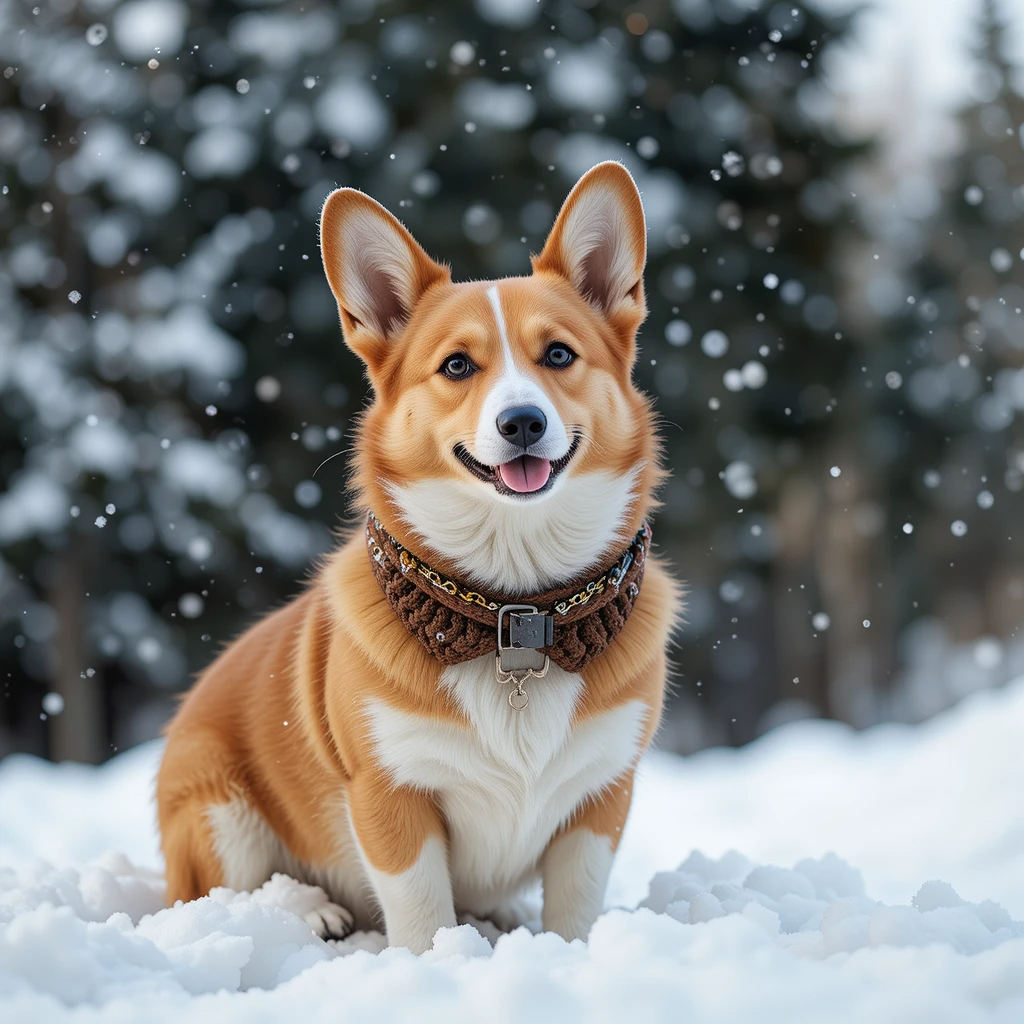
Final Thoughts: Making Winter Enjoyable for Your Corgi
Winter can be tough, but with the right preparations, you can help your corgi stay safe, healthy, and comfortable. By paying attention to their needs and providing them with warmth, protection, and mental stimulation, you’ll make sure they enjoy the winter months as much as you do. Whether it’s a quick snowball chase or a cozy nap by the fireplace, your corgi will appreciate all the effort you put into making their winter season one to remember.