
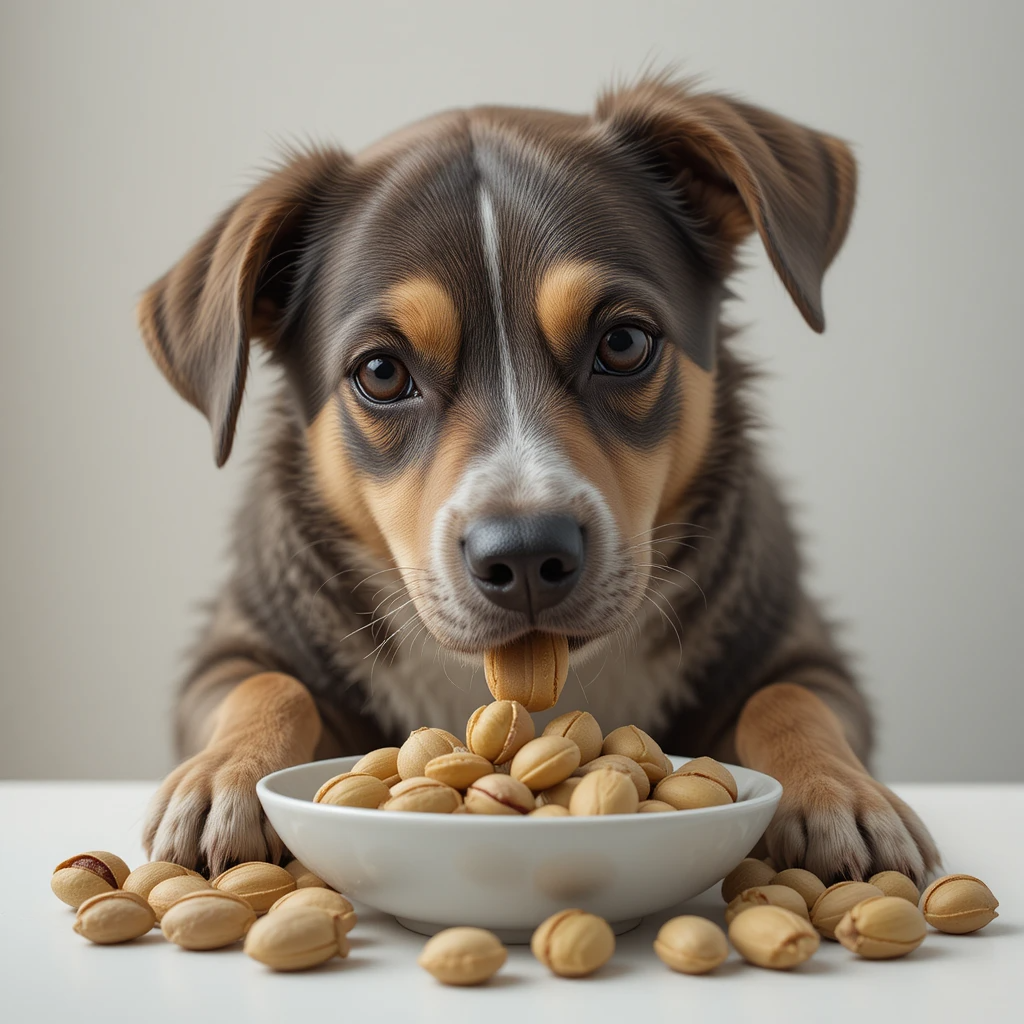
As dog owners, we often want to share the joys of our favorite snacks with our furry friends Eat Pistachio . After all, they’re part of the family, right? But not all human foods are safe for dogs, and some can even be harmful . One snack that commonly raises concerns is pistachios. With their crunchy texture and rich, savory flavor, pistachios might seem like an innocent treat to share with your dog. But the question is: can dogs eat pistachios? Let’s take a deep dive into why pistachios aren’t the best choice for your pet and what safer alternatives you can offer instead.
Table of Contents
What Are Pistachios? A Quick Overview
Pistachios are small, green nuts that come from the pistachio tree, commonly grown in regions like the Middle East and the United States. These nuts are popular for their deliciously nutty flavor and high nutritional value. Packed with protein, fiber, antioxidants, and healthy fats, pistachios can benefit human health when eaten in moderation. They are known to improve heart health, aid digestion, and provide a good source of vitamins and minerals like vitamin B6, copper, and potassium.
However, while pistachios offer a variety of benefits for humans, the situation is very different for dogs. Just because something is safe for us doesn’t mean it’s safe for our canine companions. So, let’s explore why pistachios aren’t the best treat for your dog.
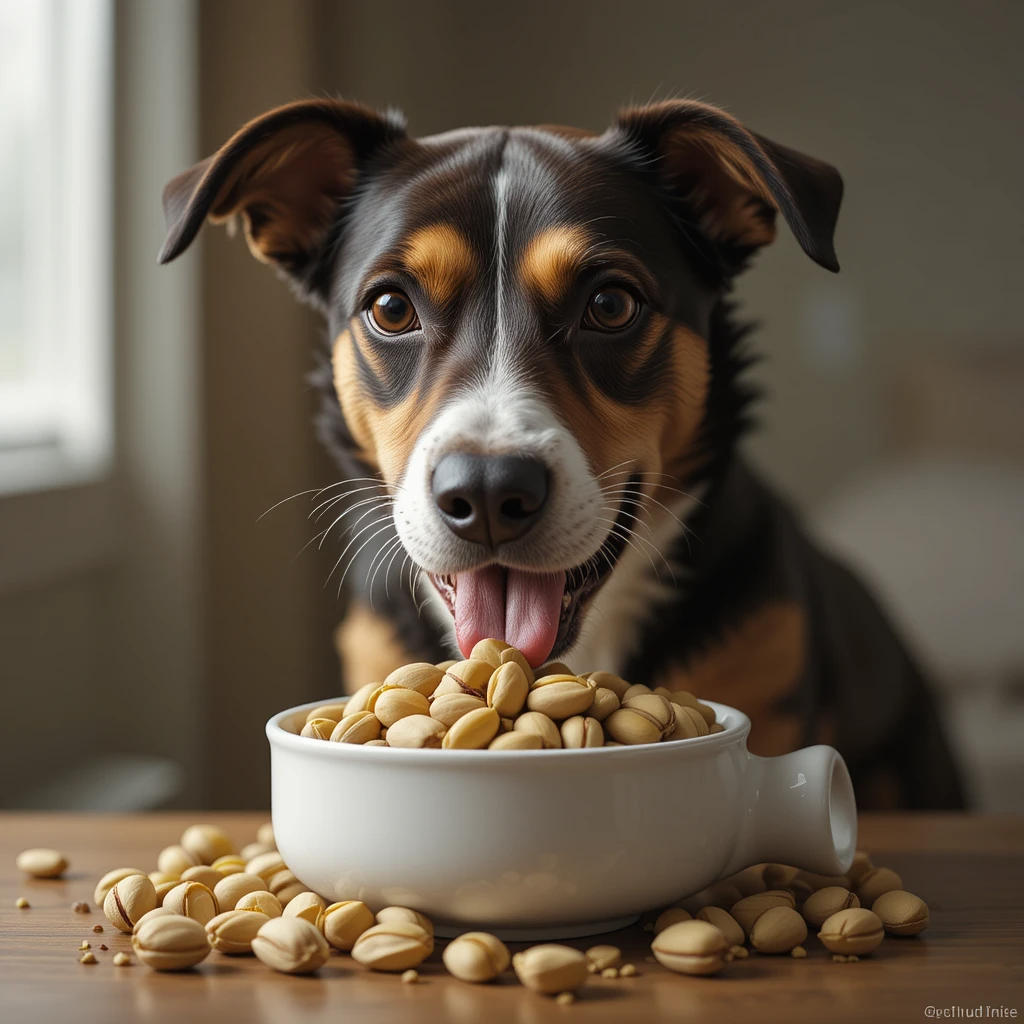
Are Pistachios Safe for Dogs?
The answer to this question is a cautious no. While pistachios are not considered toxic to dogs, they come with a range of risks that can make them unsafe. Let’s break down the potential dangers associated with pistachios and why they aren’t suitable for your furry friend.
1. Choking Hazard: The Pistachio Shell
One of the biggest concerns when it comes to pistachios and dogs is the tough outer shell. Pistachios, unlike some other nuts, come encased in a hard shell that can be a choking hazard for dogs. While dogs may enjoy gnawing on the nut inside, they might have difficulty chewing or swallowing the shell, which could get stuck in their throat or cause an intestinal blockage. In smaller breeds, the risk is even higher due to their smaller airways and digestive tracts.
If a pistachio shell gets stuck in your dog’s throat or digestive tract, it could require medical attention to safely remove it. In some cases, obstruction of the intestines can lead to severe complications, such as infections, and may require surgery.
2. High Fat Content: A Recipe for Obesity and Pancreatitis
Pistachios, like most nuts, are high in fat. While fats are an essential nutrient for dogs, excessive fat intake can lead to serious health problems. Overfeeding fatty foods like pistachios can cause weight gain and obesity, especially in sedentary dogs. This is a significant concern, as obesity can contribute to a wide range of health problems, including joint issues, heart disease, diabetes, and respiratory problems.
More concerning is the risk of pancreatitis, a potentially life-threatening condition. Pancreatitis occurs when the pancreas becomes inflamed due to excessive fat intake. It can cause symptoms like vomiting, diarrhea, fever, lethargy, and loss of appetite. If not treated promptly, pancreatitis can be fatal. Therefore, giving your dog pistachios regularly can put them at risk for this painful and dangerous condition.
3. Salt Content: Potential for Sodium Poisoning
Another major issue with pistachios is the high salt content found in many commercial varieties. Salted pistachios, which are a popular snack among humans, can pose serious health risks for dogs. Too much salt can lead to sodium ion poisoning, which can have severe consequences on your dog’s health.
Excessive salt intake can cause dehydration, excessive thirst, and increased urination. In more extreme cases, it can lead to sodium poisoning, which can cause vomiting, diarrhea, tremors, seizures, and even death. Dogs that have pre-existing conditions like kidney disease or heart problems are particularly vulnerable to the effects of too much salt.
4. Allergic Reactions: Not Every Dog Can Tolerate Nuts
Though nuts like pistachios aren’t common allergens for dogs, it’s still possible for some dogs to have an allergic reaction. Dogs can develop allergies to a wide range of foods, including nuts. If your dog experiences symptoms like itching, swelling, digestive upset (such as diarrhea or vomiting), or even respiratory distress after eating pistachios, it’s best to stop feeding them this food and consult your veterinarian.
Some dogs may have more sensitive stomachs than others, and feeding them foods like pistachios may cause gastrointestinal issues. Even if your dog doesn’t seem allergic, it’s always safer to avoid feeding them nuts to prevent potential reactions.
What to Do If Your Dog Eats Pistachios
If your dog has eaten a few pistachios, try not to panic. While pistachios aren’t immediately harmful, keep an eye on your dog for any signs of distress. If your dog shows symptoms like vomiting, diarrhea, lethargy, or signs of abdominal discomfort, it’s important to contact your veterinarian right away.
If your dog has eaten a large amount of pistachios or ingested the shells, immediate veterinary attention may be needed. The risk of choking or gastrointestinal blockage increases with larger quantities, so it’s better to be safe than sorry.
Safer Alternatives to Pistachios: Treats That Are Safe for Dogs
If you’re looking for healthy and safe treats to share with your dog, there are plenty of options that won’t pose the same risks as pistachios. Here are some dog-friendly treats you can offer:
- Carrots: Crunchy and low in calories, carrots make an excellent snack for dogs. They’re packed with vitamins and minerals, and they can help clean your dog’s teeth as they chew.
- Blueberries: Blueberries are rich in antioxidants and make for a perfect small treat. They’re low in calories and provide health benefits like boosting the immune system.
- Sweet Potatoes: A great source of vitamins A and C, fiber, and antioxidants, sweet potatoes are a nutritious, dog-friendly snack. You can serve them cooked and cut into small pieces.
- Apple Slices: Apples are full of fiber and vitamins. Just be sure to remove the seeds and core, as these contain cyanide, which can be toxic to dogs.
- Plain, Unsweetened Peanut Butter: Dogs love peanut butter, and in moderation, it can be a healthy treat. Make sure the peanut butter doesn’t contain xylitol, a sugar substitute that is toxic to dogs.
- Pumpkin: Cooked, plain pumpkin is high in fiber and can be great for your dog’s digestive health. You can add a small spoonful to your dog’s food or serve it as a standalone treat.
Why Pistachios Should Be Avoided
Even though pistachios aren’t toxic to dogs, they pose a variety of risks that make them a poor choice for your dog’s diet. The choking hazard, high fat and salt content, and potential for allergies or digestive issues mean that pistachios aren’t worth the risk. There are plenty of other treats that are safer and healthier for your dog.

Final Thoughts: Stick to Safe, Dog-Friendly Treats
As a loving pet parent, you may be tempted to share your snacks with your dog. However, when it comes to pistachios, it’s safer to skip them and opt for dog-friendly treats instead. Your dog’s health and well-being should always come first, so choose snacks that are both nutritious and safe. Remember, if you ever have doubts about a specific food or treat, your veterinarian is the best person to guide you in making the right choices for your dog.