
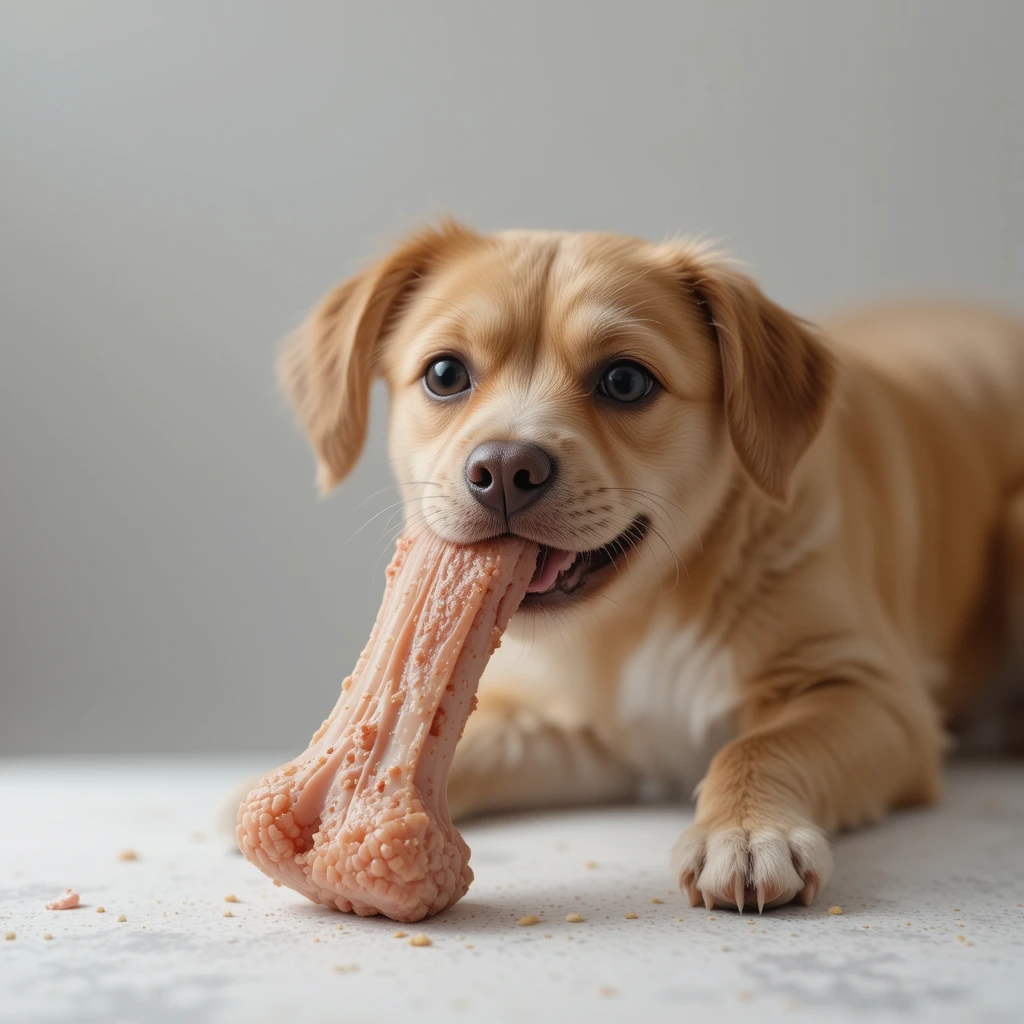
As a dog owner, you undoubtedly want to treat your furry friend with love and care, and that often includes offering them tasty Pork Bones treats. One of the most common questions pet owners have is about giving their dog bones to chew on, and specifically, whether pork bones are safe. Pork, a beloved meat for humans, may seem like a good option to share with our dogs, but before you toss your pup a bone, it’s essential to know whether it’s a safe treat or a potential hazard.
Table of Contents
Why Pork Bones Are Dangerous for Dogs
At first glance, a pork bone may seem like an enjoyable and natural treat for your dog, especially since they can enjoy chewing on it. However, there are several risks associated with giving your dog a pork bone—whether it’s cooked, raw, or otherwise.
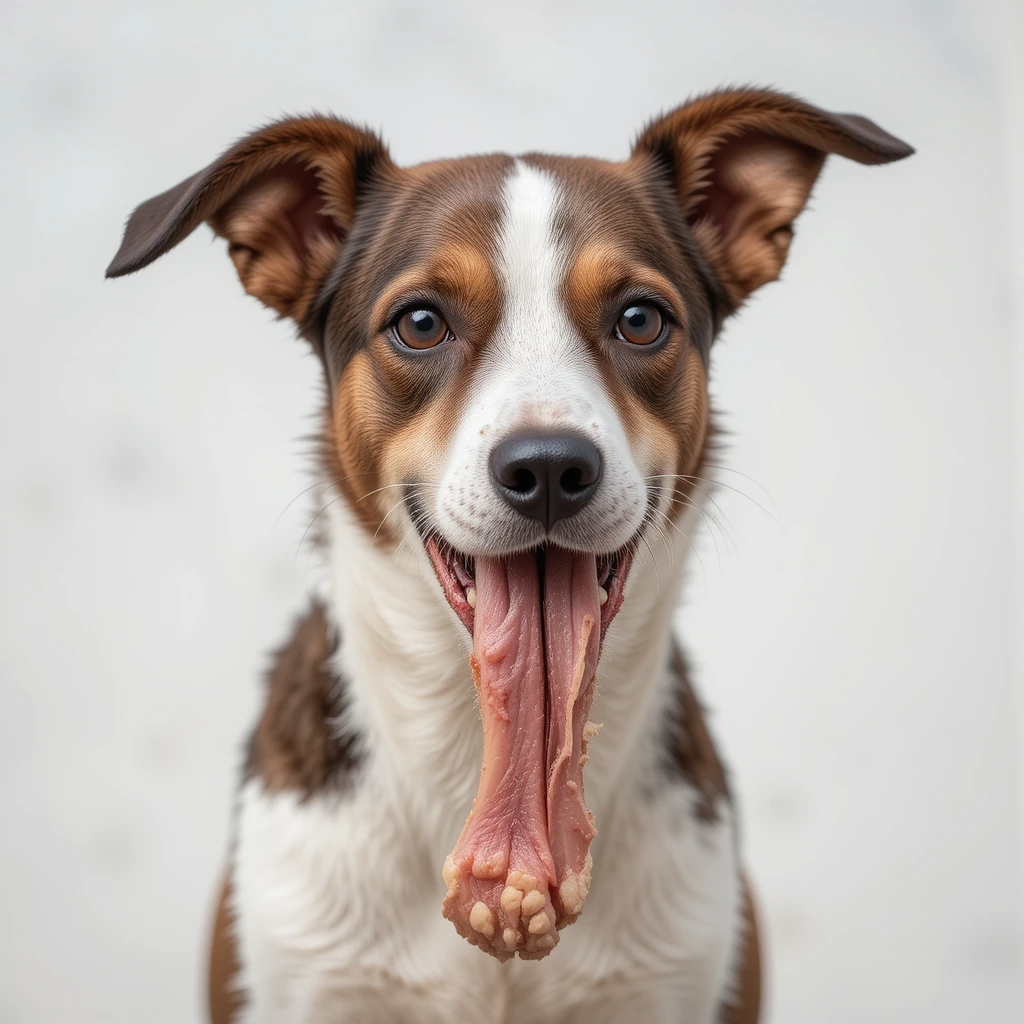
1. Cooked Pork Bones: A Major Health Risk
When pork bones are cooked, they become brittle and break apart into sharp fragments that can easily splinter. These sharp splinters pose a serious danger to your dog’s gastrointestinal system. If your dog swallows these bone fragments, they can puncture the stomach or intestines, leading to life-threatening injuries. Splintered bone pieces can also cause blockages or obstructions in the digestive tract, which could result in vomiting, abdominal pain, and even life-threatening conditions that require immediate veterinary attention.
2. Raw Pork Bones: Not Much Safer
Although raw pork bones are less likely to splinter than cooked ones, they still pose several risks. Raw bones can still break into large chunks that can get stuck in your dog’s throat or cause choking. Even worse, raw bones can carry harmful bacteria like Salmonella and E. coli, which can be passed on to your dog and even to humans in the household. If your dog chews on raw pork bones, they are at a higher risk of developing foodborne illnesses. Furthermore, raw bones can also lead to tooth fractures, especially for aggressive chewers or dogs with weaker teeth.
3. Choking and Blockages
Pork bones—whether raw or cooked—can become choking hazards. The hard texture of the bone makes it difficult for your dog to chew properly, especially if they are an enthusiastic chewer or if they have a smaller mouth. Small breeds are particularly at risk for choking because they may try to swallow large pieces of bone without properly chewing them.
Additionally, large pieces of bone may become lodged in your dog’s digestive tract, creating a blockage. This can cause vomiting, constipation, pain, and in severe cases, the need for surgery to remove the obstruction.
4. Dental Damage
While chewing on bones is often associated with cleaning teeth, pork bones can lead to dental damage rather than dental benefits. The hard, brittle nature of bones can cause tooth fractures or chipped teeth. This is especially true for dogs that are heavy chewers or older dogs whose teeth might not be as strong. A tooth fracture can be very painful for your dog and may require a costly veterinary dental procedure.
5. Risk of Bacterial Contamination
One significant concern when feeding raw bones, like pork, to your dog is the risk of bacterial contamination. Salmonella and E. coli are bacteria commonly found in raw meat, including pork. These bacteria can cause food poisoning and lead to symptoms like vomiting, diarrhea, fever, and lethargy in both dogs and humans. Handling raw pork bones improperly or allowing your dog to chew on them can expose your dog to these harmful bacteria, putting everyone in the household at risk.
Safe Alternatives to Pork Bones
If you want to treat your dog with something fun and chewable without putting their health at risk, there are several safe alternatives to pork bones.
1. Raw Bones from Safe Sources
Not all bones are dangerous. If you want to give your dog a bone, look for raw bones that are sourced from reputable suppliers. Raw bones are less likely to splinter than cooked ones and, when given correctly, can be a safe and enjoyable treat for your dog. However, they still require supervision to ensure your dog doesn’t swallow large pieces or experience any digestive issues. Some dogs may also have allergies to certain types of meat, so it’s always important to be cautious about the type of bone you’re offering.
2. Rubber Chew Toys and Synthetic Bones
Rubber chew toys, like KONG or Nylabone, are fantastic for dogs who love to chew. These durable toys are made from tough, dog-safe materials designed to withstand aggressive chewing. They come in various shapes and sizes, providing your dog with a satisfying chew while promoting dental health. Plus, many rubber chew toys can be stuffed with treats or peanut butter, which makes them even more appealing to your dog.
3. Dental Chews
For dogs who need a little extra help maintaining good dental health, dental chews are a great option. These chews are designed specifically to help clean your dog’s teeth, reduce plaque buildup, and freshen their breath while they chew. Many of these chews are made from safe, digestible materials that won’t splinter or cause harm.
4. Vegetables and Fruits
Surprisingly, vegetables and fruits can also make great, healthy treats for dogs who love to chew. Carrots and sweet potatoes are two excellent options. Both are crunchy and low in calories while offering some health benefits, such as added vitamins and minerals. Just be sure to cut them into bite-sized pieces to avoid any choking hazards.
5. Edible Chews and Rawhide Alternatives
There are a variety of edible chews available in pet stores that are designed for dogs to gnaw on. These treats are often made from safe, digestible materials like beefhide or lamb and come in a variety of flavors. If you want to go a step further, look for chews that are designed to help with dental care, such as ones with a textured surface that cleans teeth while your dog chews.
What to Do if Your Dog Eats a Pork Bone
If you accidentally give your dog a pork bone or suspect that they may have swallowed one, it’s important to act quickly. Keep an eye on your dog for any signs of distress that may indicate they’ve ingested a dangerous amount of bone. Symptoms to watch for include:
- Vomiting and excessive drooling
- Loss of appetite or refusal to eat
- Abdominal pain or bloating
- Lethargy or changes in behavior
- Constipation or difficulty passing stool
- Choking or gagging
If you notice any of these symptoms, don’t hesitate to contact your vet right away. Depending on the severity, your vet may want to perform an X-ray to check for bone fragments or blockages. In some cases, your dog may need surgery to remove the obstruction or treat internal injuries.
Is Pork Meat Safe for Dogs?
While pork bones are unsafe, the meat of pork itself is generally safe for dogs in small amounts. Plain, cooked pork, without any added seasoning, garlic, or onion, can be a good source of protein for your dog. However, pork is often fatty, so it’s important to feed it in moderation. Too much fat in your dog’s diet can lead to digestive issues or even more serious conditions, such as pancreatitis. Additionally, always make sure that the pork is well-cooked, as undercooked or raw pork can pose a risk for trichinosis, a parasitic infection.
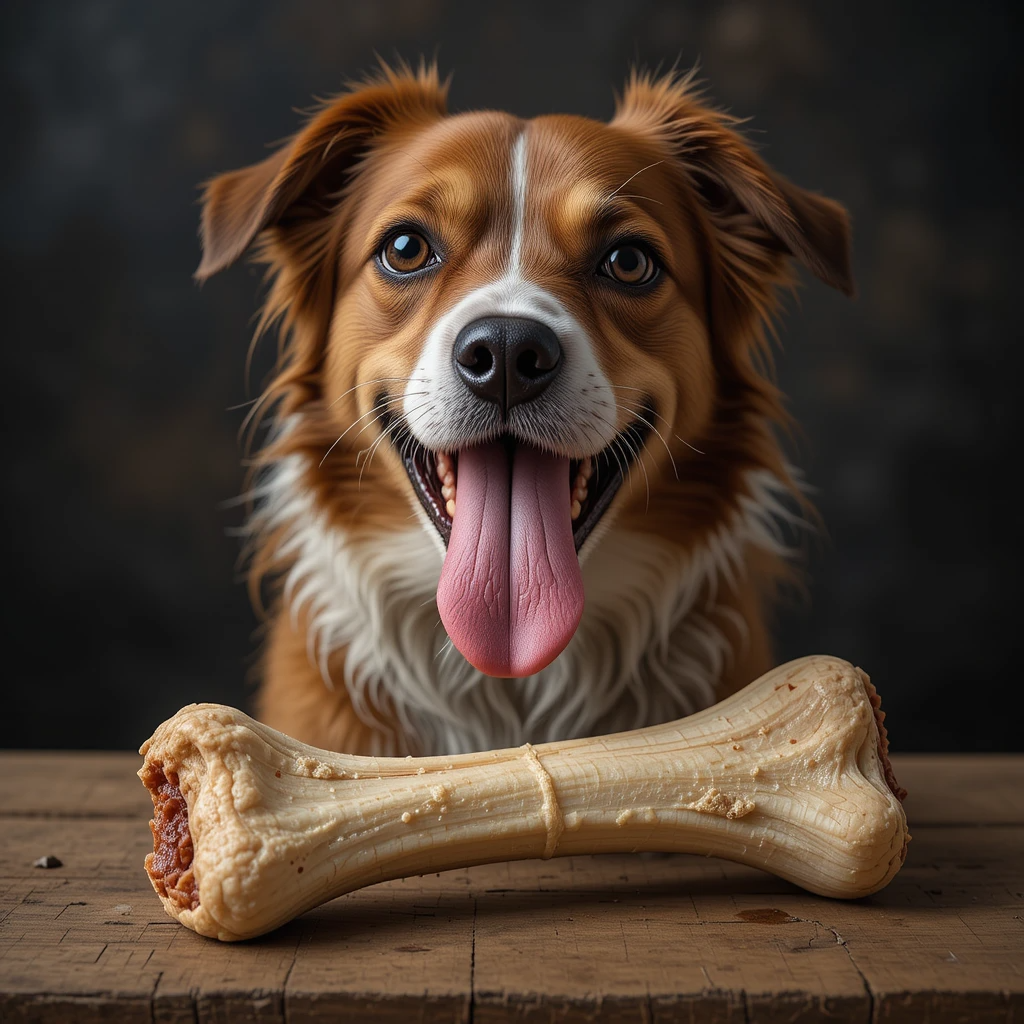
Conclusion: Keeping Your Dog Safe and Healthy
While sharing food with your dog can be a joyful experience, pork bones should not be on the menu. These bones—whether cooked or raw—pose significant risks to your dog’s health, including choking, internal injuries, and bacterial infections. Instead, offer your dog safe, vet-approved alternatives like rubber chew toys, raw bones from trusted sources, or healthy treats like carrots and dental chews.
Always keep an eye on your dog while they’re enjoying a treat, and if you’re ever unsure about what’s safe for them to eat, don’t hesitate to reach out to your veterinarian. Their guidance can help you make the best choices for your dog’s well-being, ensuring they enjoy their treats while staying healthy and happy. After all, your dog’s safety and happiness should always come first!